
Introduction
In real-world projects, choosing a fence is not just about selecting a product—it is about building a complete protection system. Many buyers face issues such as unclear specifications, mismatched environments, unexpected costs, and poor durability after installation. Whether you need a security fence, perimeter fence, or industrial fence, the key challenge is aligning the fencing solution with actual project conditions.
Project-Based Understanding of Fence Systems
A modern fencing solution is no longer a single product. It is a system that combines structure, materials, installation, and long-term performance. From metal fence to wire fence, each system must be designed based on risk level, terrain, and usage frequency.
For example:
- Low-risk areas use garden fence or decorative fence
- Medium-risk zones rely on chain link fence or welded wire fence
- High-security zones require anti climb fence or high security fence
Step-by-Step Fence Planning Process
Step 1: Define Protection Level
Start by identifying the required level of protection. A safety fence for a backyard is very different from a prison fence system or airport fence. This determines whether you need a basic wire mesh fence or a reinforced steel fence with anti-intrusion features.
Step 2: Evaluate Environment
Environmental factors directly affect material choice:
- Coastal areas → PVC fence or coated steel wire mesh fence
- High humidity → corrosion-resistant aluminum fence
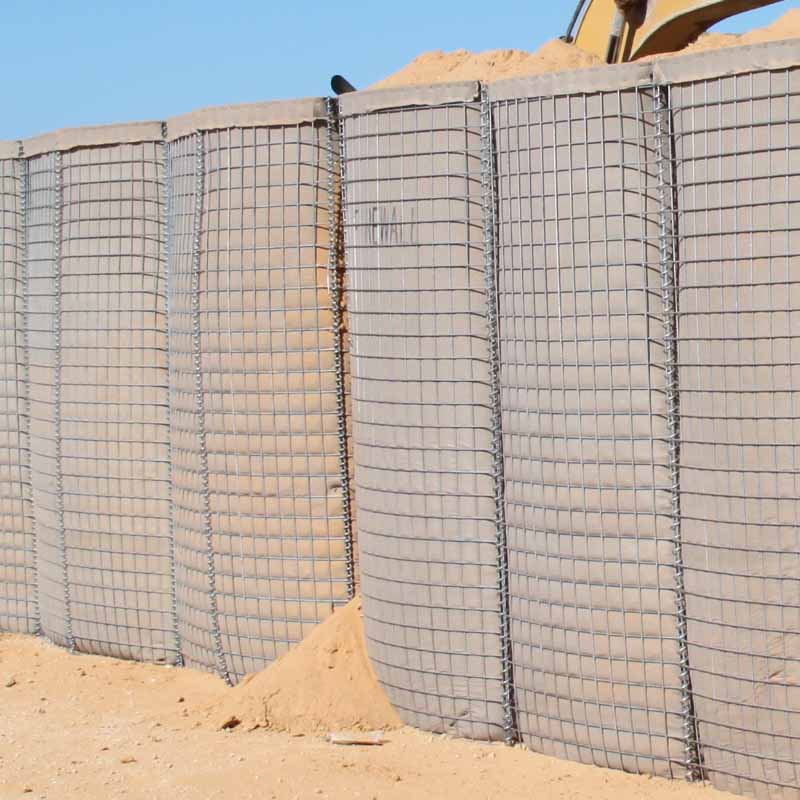
- Desert areas → heavy-duty metal fence
Step 3: Select Fence Type
Different project types require different structures:
- Chain link fencing for cost-effective coverage
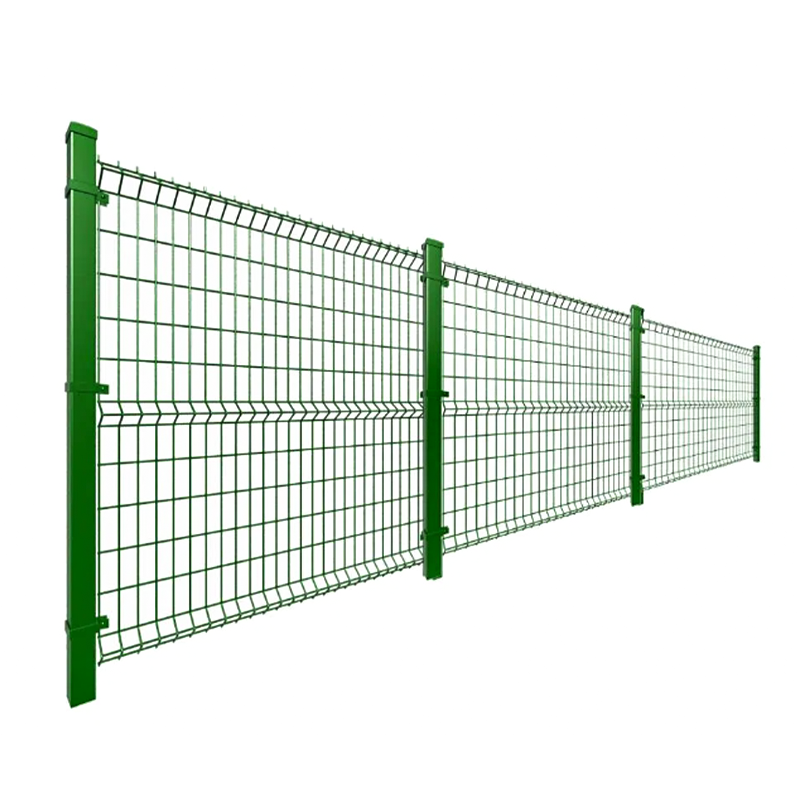
- Welded mesh fence for strength and rigidity
- Expanded metal fence for industrial protection
- Wrought iron fence for decorative applications
Step 4: Add Security Enhancements
For high-risk areas, additional protection is essential:
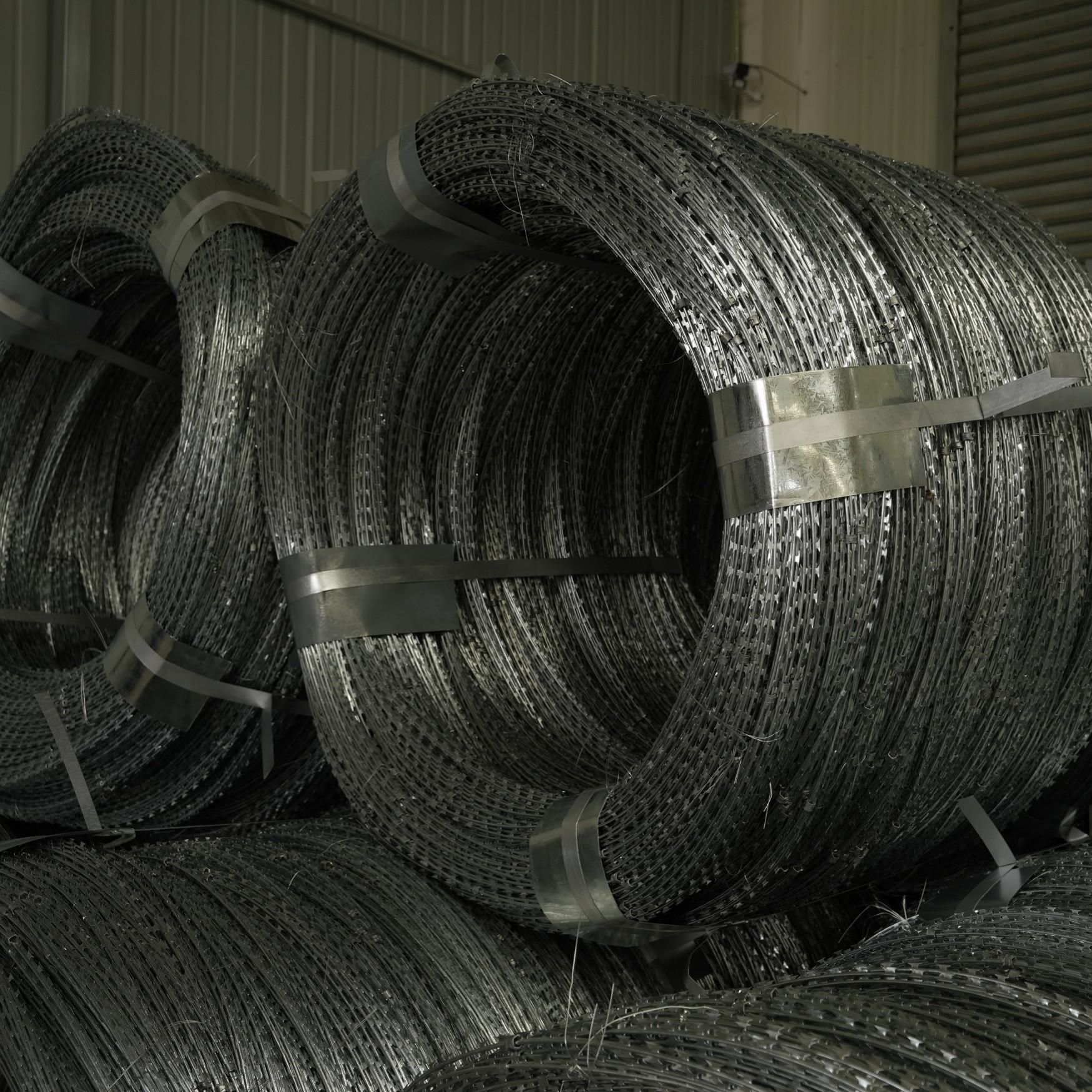
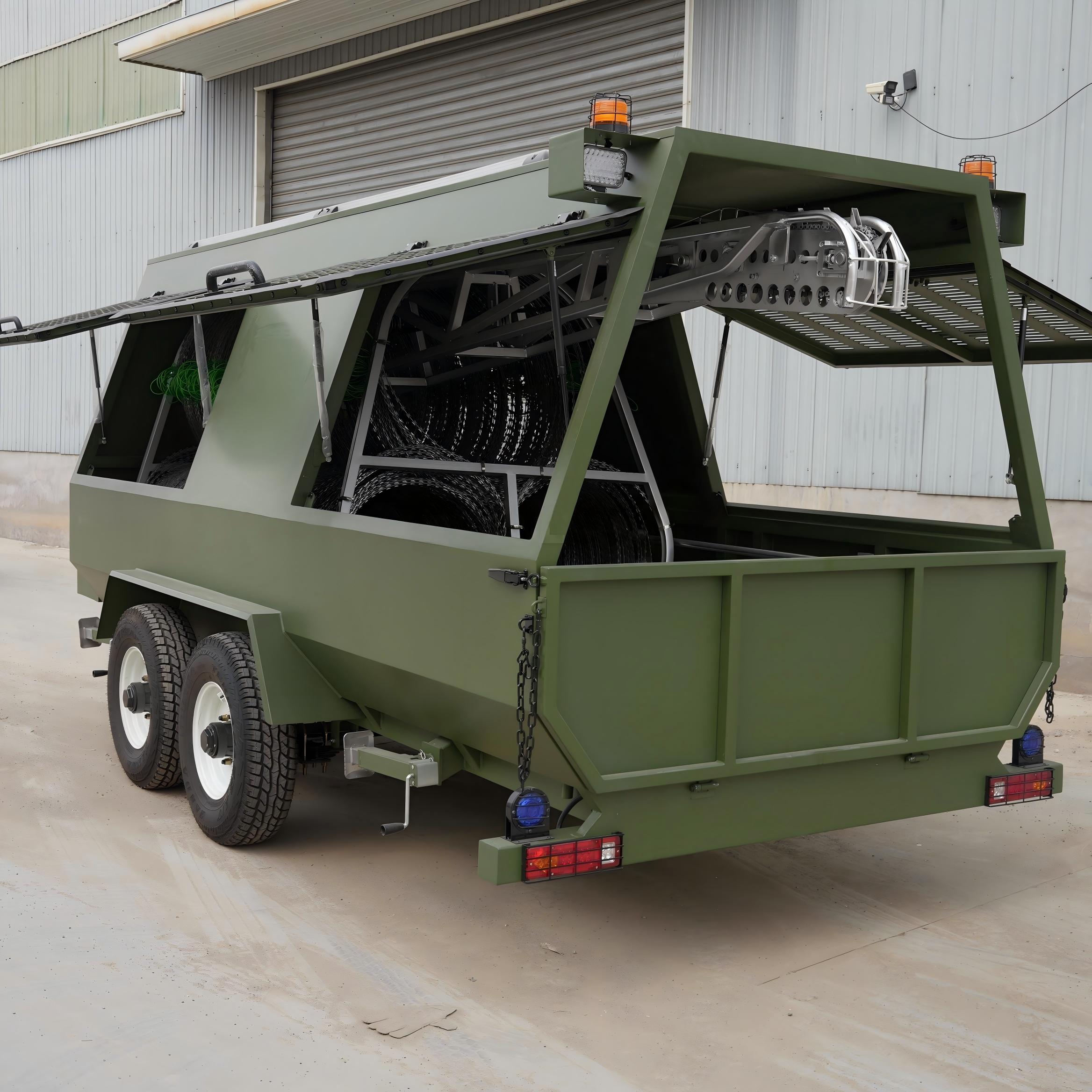
- Razor wire fence
- Barbed wire fence
- Concertina wire fence
Application-Oriented Fence Solutions
Residential Projects
Residential areas prioritize appearance and privacy. Common solutions include backyard fence, villa fence, and privacy fence. Materials such as ornamental fence and garden fencing are widely used.
Industrial Facilities
Factories and warehouses require durability and security. A combination of industrial fence, steel fence, and anti intrusion fence is commonly applied.
Infrastructure Projects
For railways and airports, safety is critical. Railway security fence and airport fence must meet strict standards, often using reinforced wire mesh fence systems.
High-Security Zones
Military and border applications demand maximum protection. Military fence, border fence, and perimeter security fence systems often integrate layered defenses.
Performance Factors That Matter Most
Structural Strength
A high-quality steel fence or welded wire fence ensures resistance against impact and deformation.
Corrosion Resistance
Galvanization and coating determine lifespan, especially for chain link fence and wire fence systems.
Installation Efficiency
Prefabricated fencing systems reduce labor costs and installation time.
Maintenance Cost
Low-maintenance options like PVC fence and aluminum fence are ideal for long-term savings.
Common Issues in Fence Projects
Incorrect Type Selection
Using a garden fence in a high-security area leads to failure.
Corrosion Problems
Poor coating results in rust, especially in metal fence installations.
Weak Installation
Improper foundation reduces the effectiveness of perimeter fence systems.
Underestimating Security Needs
Lack of features like anti climb fence or razor wire fence increases risk.
Maintenance Strategy
Regular inspection is essential for all fencing systems. Key practices include:
- Checking for corrosion or damage
- Reinforcing loose posts
- Cleaning debris from wire mesh fence
- Replacing damaged chain link fencing sections
Real Engineering Cases
Case 1: Farm Perimeter Protection
A large agricultural project installed chain link fence combined with barbed wire fence to secure livestock while maintaining cost efficiency.
Case 2: Industrial Zone Security Upgrade
An industrial facility replaced old fencing with welded mesh fence and added razor wire fence for improved protection.
Case 3: Railway Safety Project
A transportation authority implemented railway security fence using reinforced steel wire mesh fence to prevent unauthorized access.
How to Choose the Right Supplier
A reliable supplier should provide:
- Custom design solutions
- Consistent product quality
- Technical support
- On-time delivery
Conclusion
A successful fence project is not about selecting a single product—it is about building a complete system tailored to your environment and security needs. From garden fence to high security fence, every choice should be based on real project requirements. By focusing on performance, materials, and application scenarios, you can achieve a durable and cost-effective fencing solution.
FAQ
What is the most durable fence type?
Steel fence and welded wire fence offer the highest durability for most applications.
Which fence is best for security?
Anti climb fence combined with razor wire fence provides maximum security.
What is the cheapest fencing option?
Chain link fence is widely considered the most cost-effective solution.
How long does a fence last?
With proper coating, a metal fence can last 10–20 years or more.
Is PVC fencing better than metal?
PVC fence is better for low maintenance, while metal fence provides higher strength.