- +86 19030734110
- sales@fieldfence.com.cn
- Monday - Sunday 9.00 - 18.00

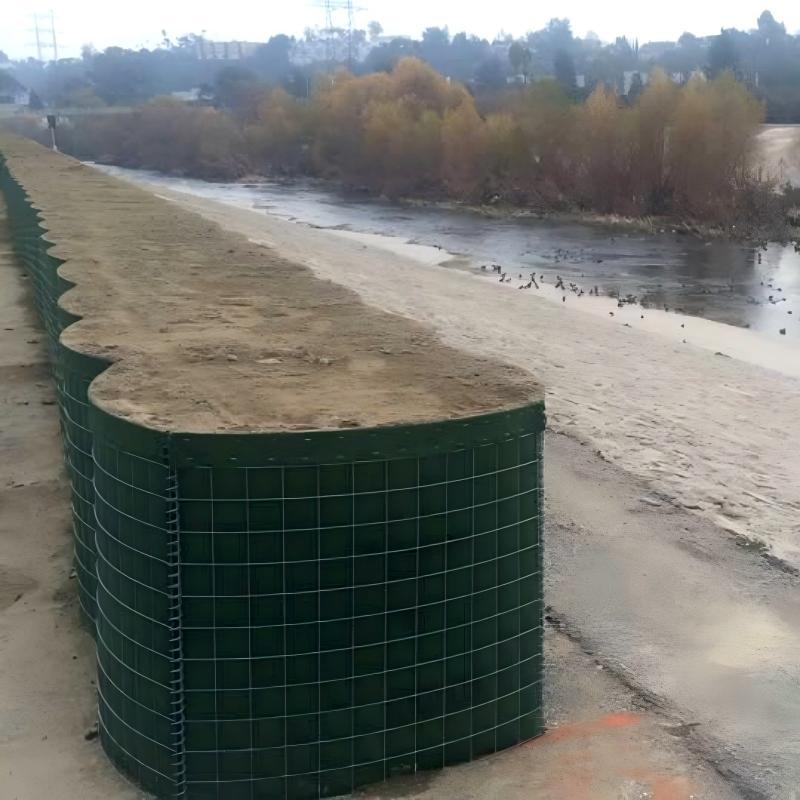
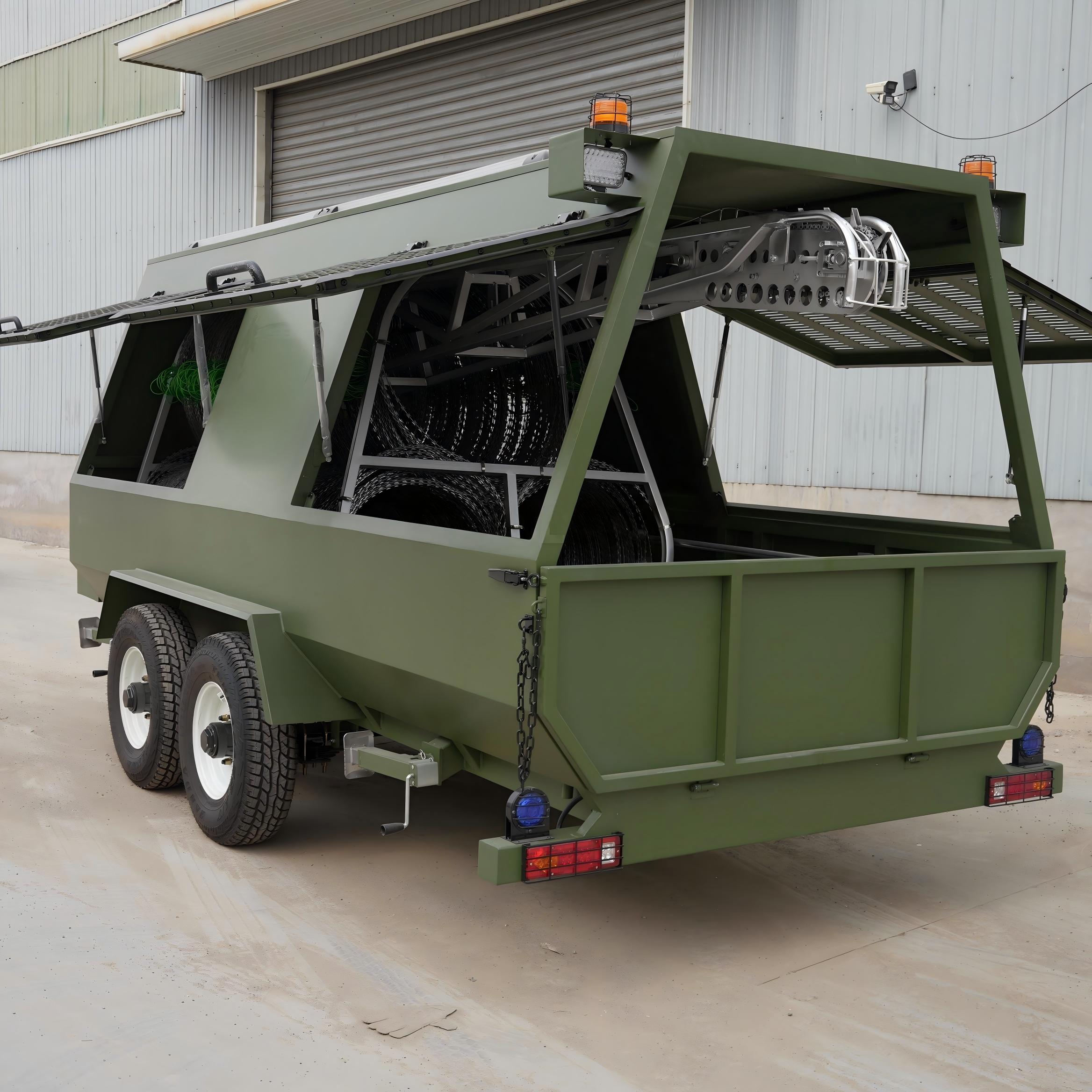
After the August 2026 Bhotekoshi River flood in Nepal, recovery crews faced more than damaged roads and bridges. Floodwater had carried sediment , rocks and other debris through affected areas, leaving large quantities of material to be cleared before normal operations could resume.
This creates practical problems for recovery teams. Equipment may need to remain on site, cleared materials may need temporary storage, and workers may need stable access between different work zones.
Typical applications include:
Debris collection and temporary storage areas
Excavator and heavy-equipment working zones
Cleared sections awaiting reconstruction
Temporary material storage areas
Access points and operational areas beside damaged infrastructure
Keeping a Cleared Site Under Control
Designed for Outdoor Recovery Conditions
Post-flood sites can remain exposed for weeks or months, so the barrier needs to handle changing outdoor conditions.
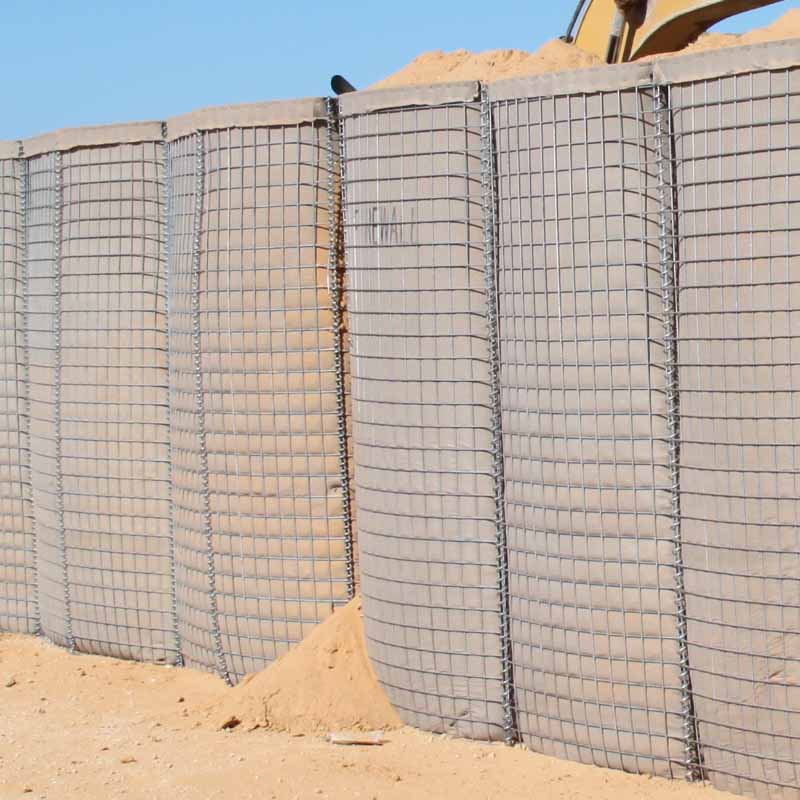
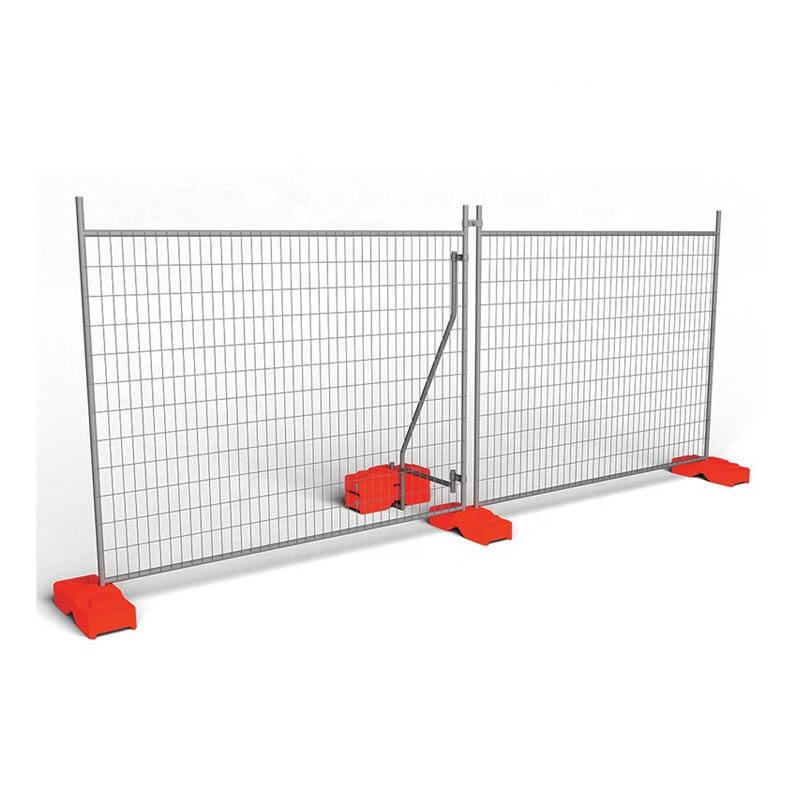
Our Flood Control Barriers use welded low-carbon steel mesh with zinc-aluminum or hot-dip galvanized treatment.
1.This provides corrosion resistance when the system is exposed to rain and damp ground during recovery work.
2.A 2 mm polypropylene geotextile liner is installed inside the mesh structure to contain the filling material. The liner also includes UV inhibitors, making it suitable for longer outdoor exposure.
3.With more than 10 available sizes, the system can be configured for different site layouts, from smaller equipment areas to larger recovery zones.
Flood Control Barriers provide a practical protection layer during this transition. They help keep equipment areas, stored materials and active work zones separated from localized water movement, giving recovery crews a more controlled site while permanent restoration continues.
Here you can find useful fencing technical articles
After the August 2026 Bhotekos
Read More Navigating Security Compliance
Read More Project LogObjective: Perimete
Read More