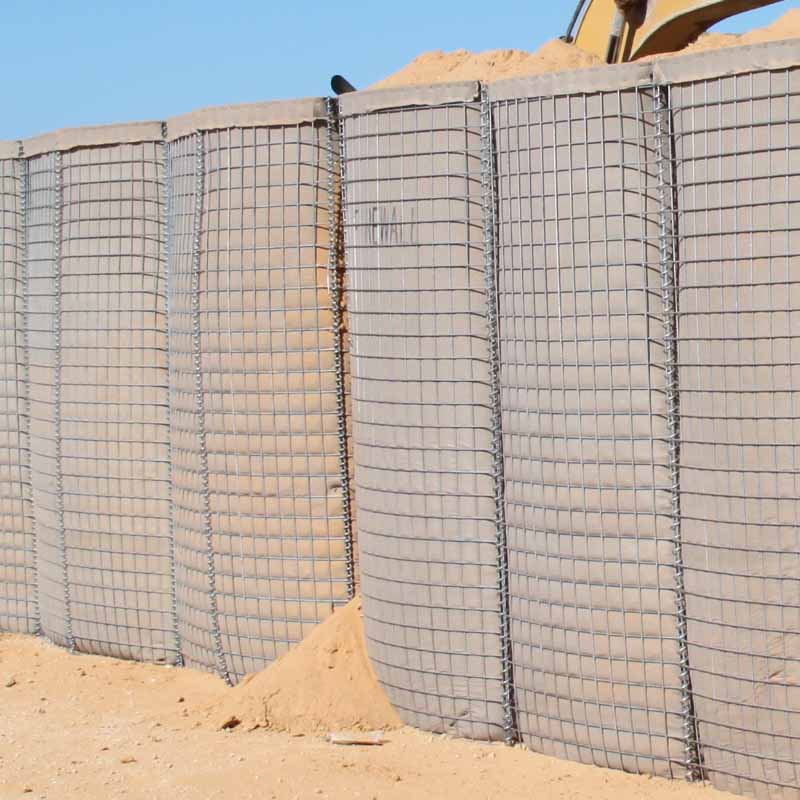
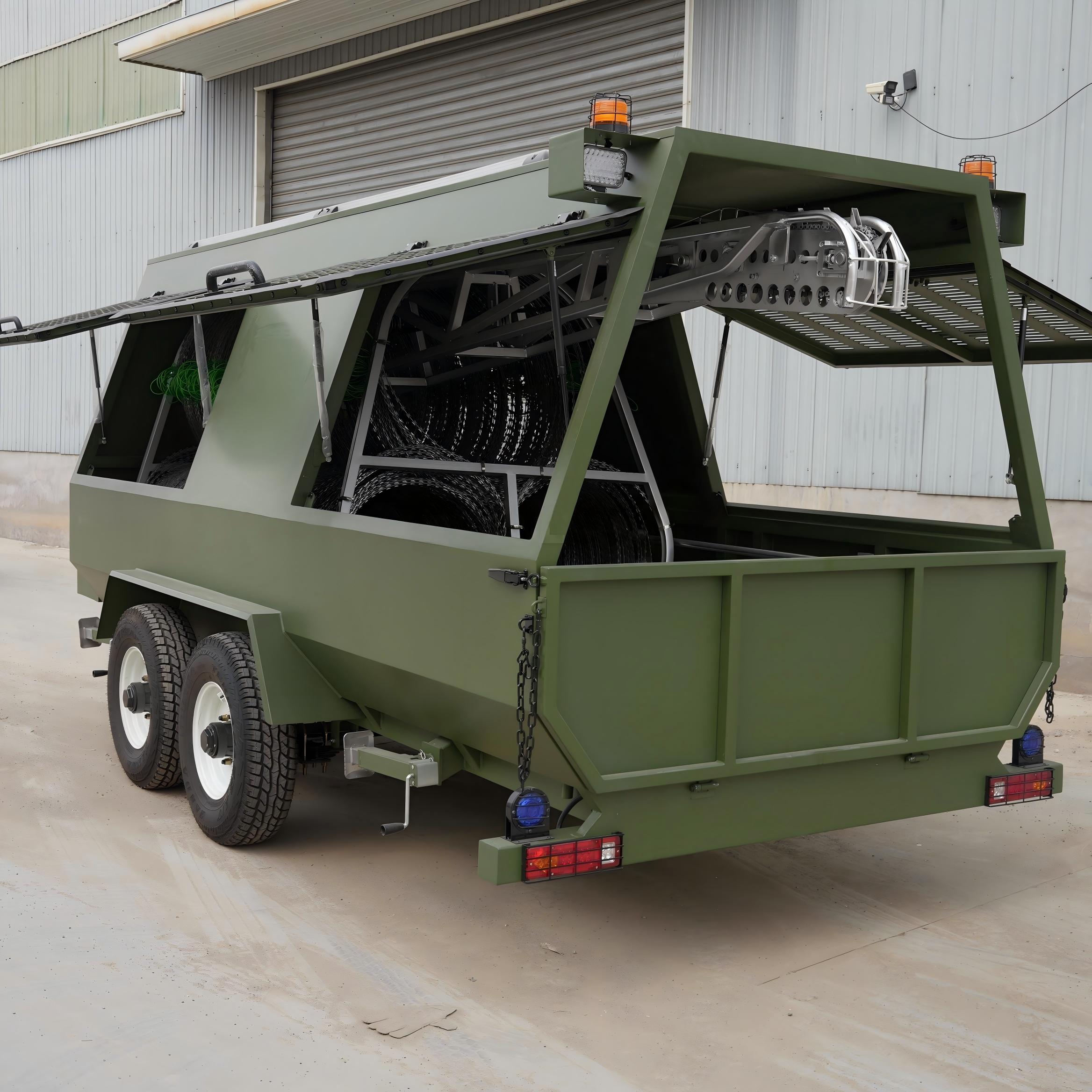
Why a Rapid Deployment Barrier Belongs in Wildfire Preparedness Planning
time:2026-8-20 9:42:54
Wildfire preparedness is often associated with firefighting equipment, evacuation plans, and emergency communication.
But there is another practical question for plantations, industrial sites, remote facilities, and infrastructure operators:
If part of the property must be closed tomorrow, how quickly can a physical boundary be established?
That question is particularly relevant in fire-prone areas of Indonesia, including parts of Sumatra and Kalimantan.
Permanent Fencing Does Not Cover Every Emergency
An emergency perimeter may be somewhere completely different.
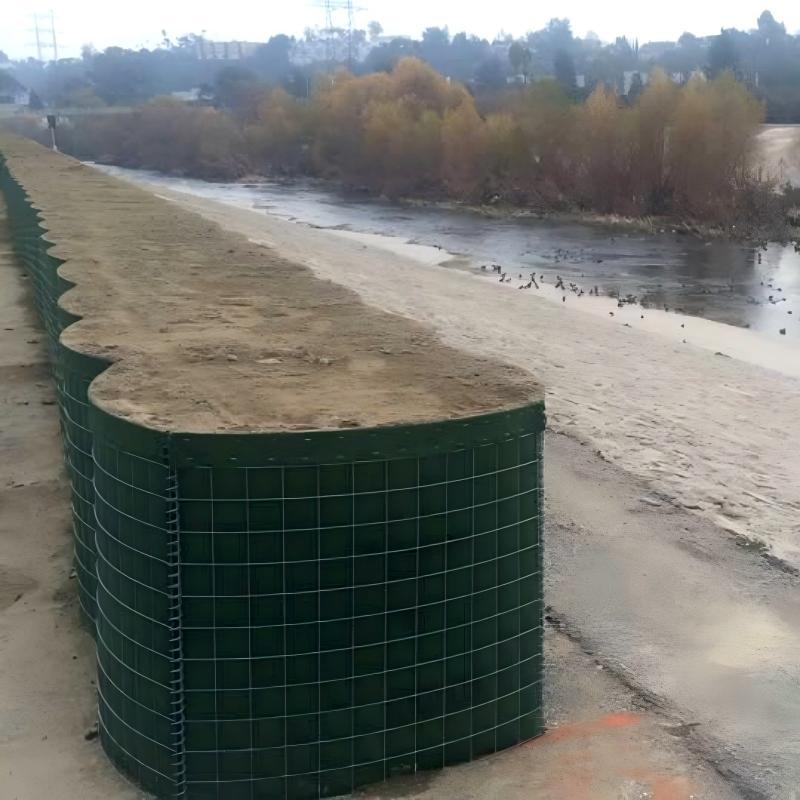
For example, a section of a property may need to be temporarily closed because smoke is moving toward the area, emergency vehicles need a clear route, or personnel are working around a hazardous location.
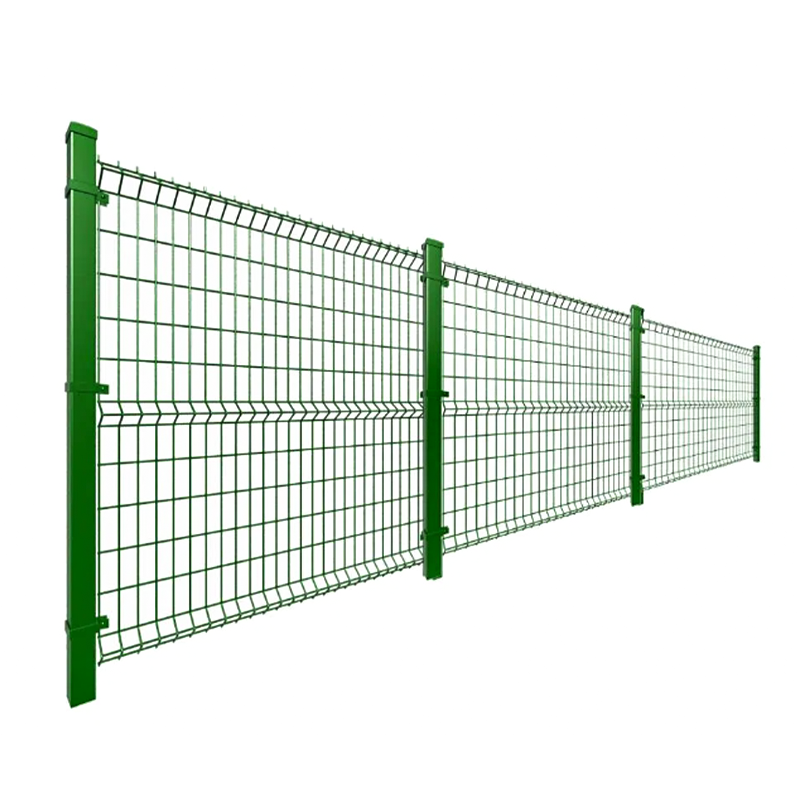
Building a new permanent fence for each temporary situation would be impractical.
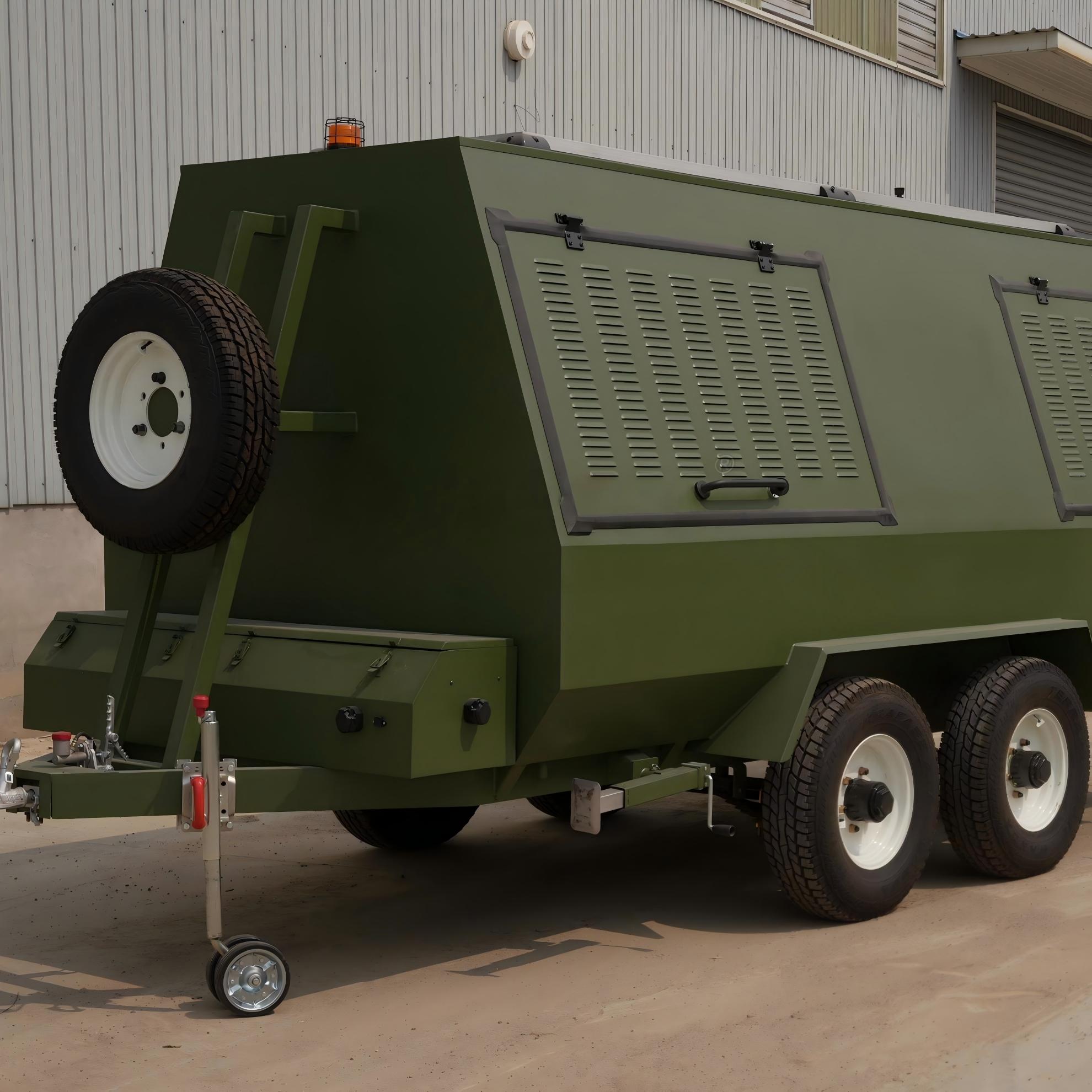
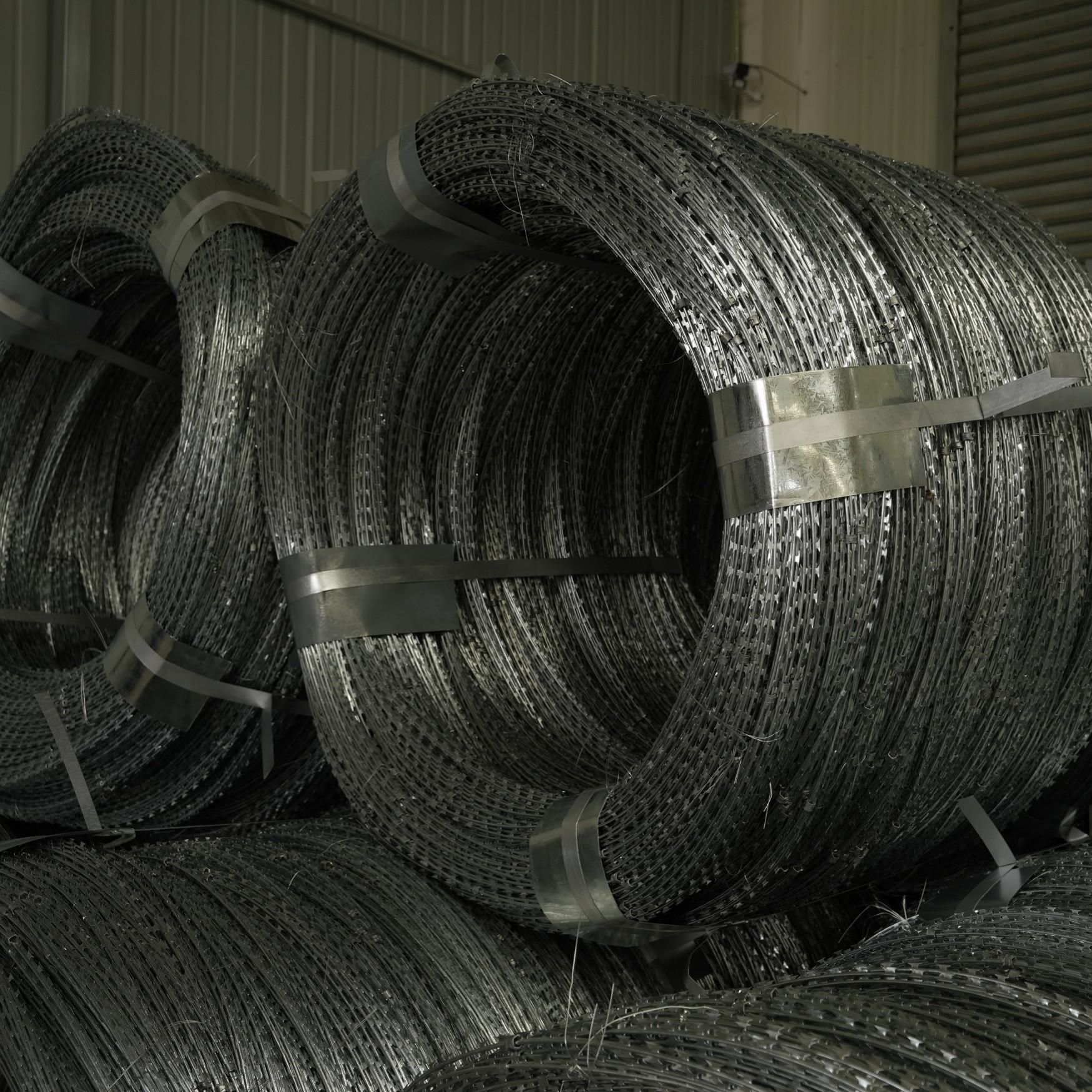
·A deployable barrier offers another approach: keep the equipment available before the emergency and deploy it when a temporary boundary is required.
What Should Be Prepared in Advance?
A useful wildfire preparedness plan can identify:
1.Where barriers may be needed
Entrance roads, equipment areas, restricted zones, or sections close to vulnerable facilities.
2.Who will deploy them
Clear responsibility avoids delays when conditions change.
3.How they will be transported
Remote locations may require equipment that can be moved efficiently to the required area.
4.How the perimeter can be expanded
The initial boundary may not remain sufficient throughout the emergency.
5.Where the equipment will be stored
A barrier that cannot be accessed quickly is of limited value during an emergency.
Its role remains specific:
access control, temporary perimeter protection, and emergency site organization.
It does not replace firefighting equipment or prevent a wildfire from spreading.
For organizations operating in fire-prone parts of Indonesia, a rapid deployment barrier can provide that additional layer of readiness—giving emergency teams a practical option for creating temporary perimeters when normal site boundaries are no longer enough.