When the Security Plan Changed Overnight: Choosing Military Barriers for a High-Risk Diplomatic Facility
time:2026-8-24 13:23:20
Recent conflicts have shown how military and diplomatic facilities can face a mixture of missile, drone, blast, and fragment-related risks. Attacks on bases in Jordan and Gulf states during the 2026 Iran conflict have reinforced the need to review protection beyond traditional perimeter fencing.
Situation
At 11:40 p.m., the security team called another meeting.Nothing had happened at the compound that night.
The surrounding security environment had changed, and the original protection plan had been designed for a different situation. Vehicles, personnel buildings, equipment areas, and the main entrance were still arranged according to an older security assessment.
The team needed to reconsider what could happen if the threat came from outside the perimeter.
The security officer placed the compound plan on the table.There were four areas that immediately attracted attention:
·The open vehicle entrance
·Temporary personnel facilities
·Equipment storage
·A sensitive operational area
The existing perimeter could control access, but it did little to separate these areas from one another.
Instead of asking for one long defensive wall, the team began looking at where additional protection could have the greatest value.
From Perimeter Wall to Protection Zones
This is where Military Barriers can fit into a threat-based design.
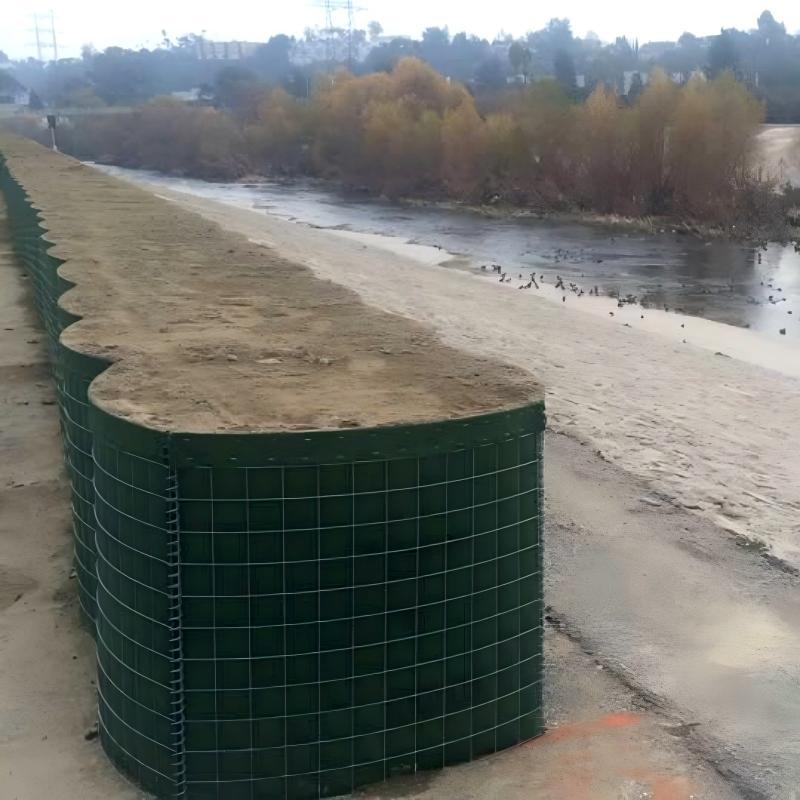
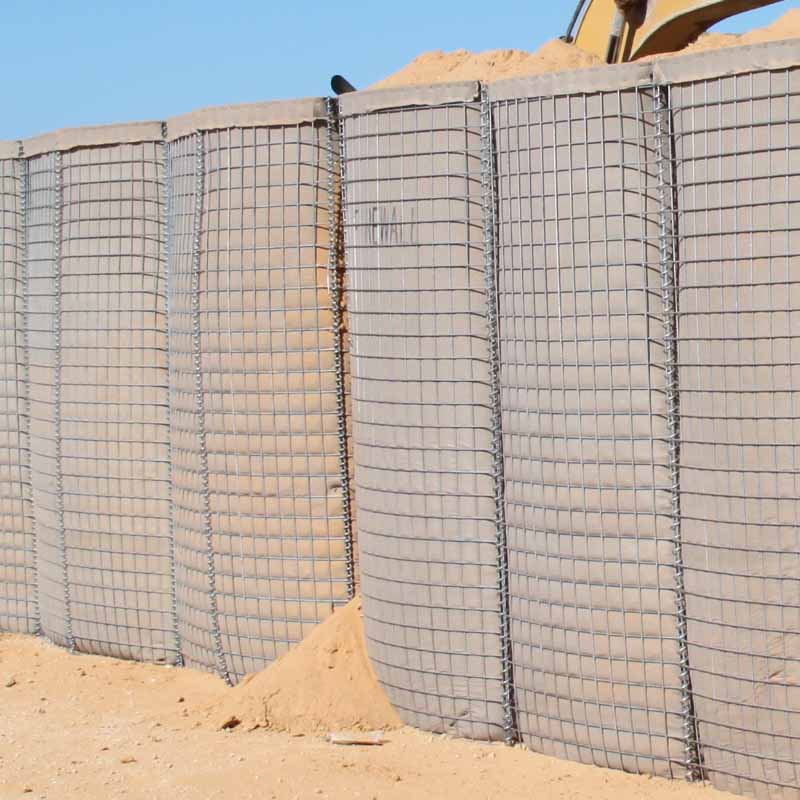
1.A modular barrier system can be arranged around exposed facilities, along selected approaches, or between areas with different security requirements.
2.The welded low-carbon steel panels use a 76.2 mm × 76.2 mm (3" × 3") mesh opening and connect through spiral spring wires.
3.More than ten sizes are available, allowing the configuration to follow the site rather than forcing the site to follow one standard unit.
4.Zinc-aluminum and hot-dip galvanized finishes are available for the steel mesh, while the 2 mm UV-inhibited polypropylene geotextile liner helps retain the selected filling material.
The protection plan changed because the threat had changed. The barrier followed that decision.
The final layout did not turn the compound into a fortress. It created targeted protection around the areas that mattered most.
That is the value of threat assessment: it helps determine where Military Barriers should work hardest, rather than simply adding more wall.