- +86 19030734110
- sales@fieldfence.com.cn
- Monday - Sunday 9.00 - 18.00

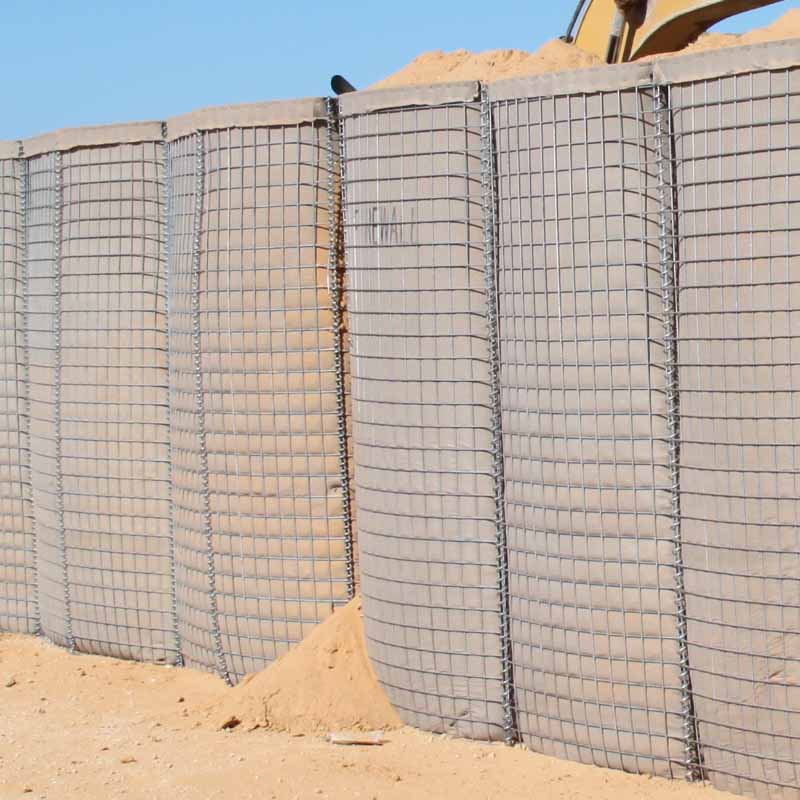
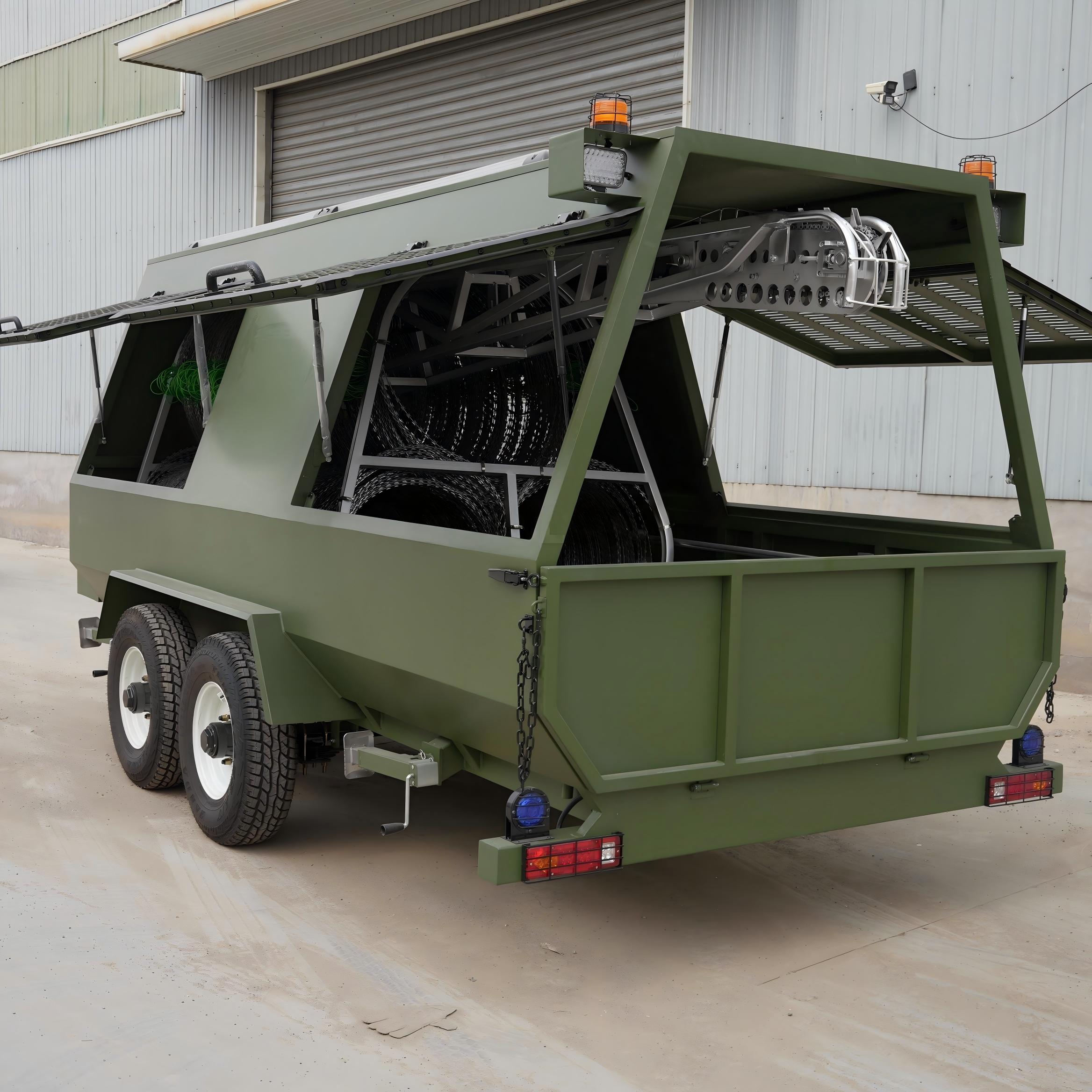
Many projects install a fence as a final step, only to realize later that it does not actually solve their core problems. Intrusions still happen, boundaries remain unclear, and maintenance costs keep rising. The issue is not the idea of fencing itself, but the lack of engineering thinking behind the system.
Whether it is a security fence for a factory or a garden fence for a home, performance depends on how well the system is designed, selected, and installed. Without that, even the most expensive materials cannot deliver real protection.
A fence is a structured boundary solution used to control movement, protect assets, and define space. In modern applications, fencing is no longer just a physical divider. It functions as part of a broader security fencing system that supports monitoring, access control, and risk management.
From lightweight wire fence to heavy-duty steel fence, different designs are developed to match different operational needs.
A perimeter security fence is built to protect the outer boundary of a site. It often uses anti climb fence geometry and narrow mesh openings to prevent footholds. In higher-risk areas, it is combined with anti intrusion fence features to increase resistance.
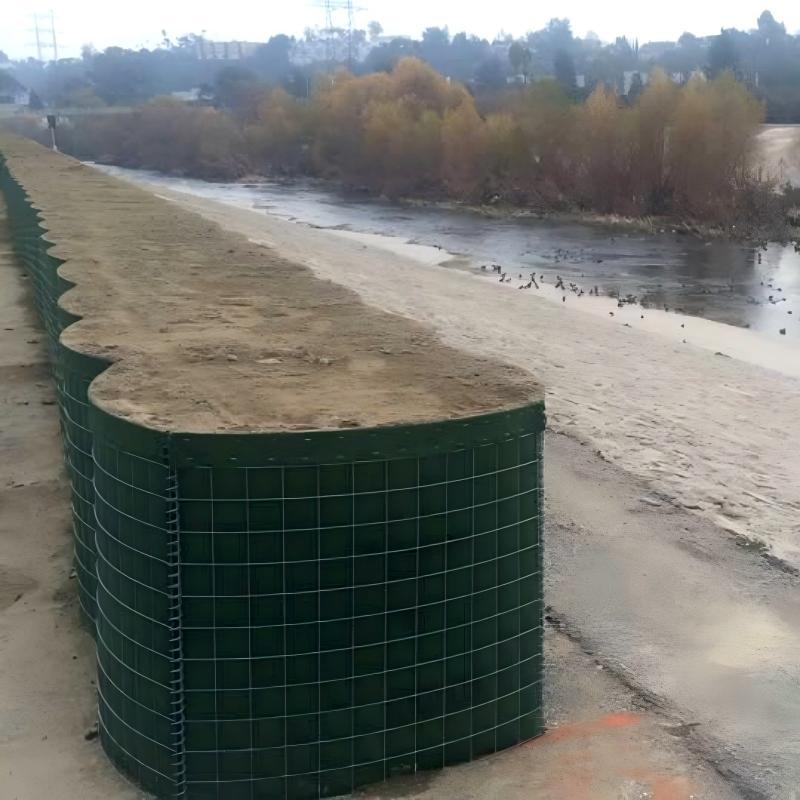
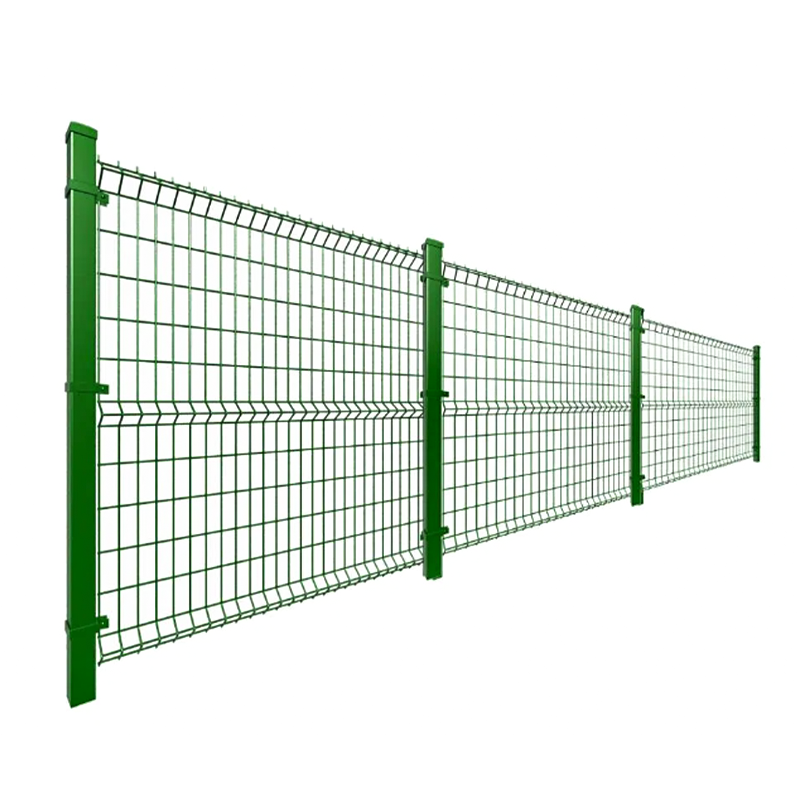
Wire mesh fence, welded wire fence, and chain link fencing are widely used due to flexibility and cost control. These systems allow visibility while still maintaining boundary control, making them ideal for industrial and public spaces.
Rigid panel systems such as welded mesh fence and expanded metal fence provide higher structural strength. They are commonly used in industrial fence and railway security fence applications where durability is critical.
For residential use, backyard fence, villa fence, and landscape fence focus on both function and appearance. Materials like wrought iron fence, aluminum fence, and decorative fence are widely selected for their visual value.
In high-risk environments, specialized systems such as military fence, border fence, airport fence, and prison fence system are used. These systems emphasize delay time, anti-cut performance, and compatibility with surveillance systems.
Metal fence and steel fence structures are preferred for their load-bearing capacity and long-term stability. They are suitable for both high security fence and large-scale perimeter projects.
PVC fence and coated wire solutions improve resistance to weather and corrosion. They are often used in residential areas and environments with high humidity.
Combining materials such as steel frames with mesh or panels allows the creation of optimized fencing solutions that balance strength, cost, and appearance.
A high-performing fence system is defined by how it behaves under real conditions, not just by its specifications.
First, structural integrity ensures that the fence can withstand physical pressure, wind load, and long-term use. Second, design geometry—such as mesh size in a steel wire mesh fence—affects climb resistance. Third, system integration determines how well the fence works with surveillance and access control.
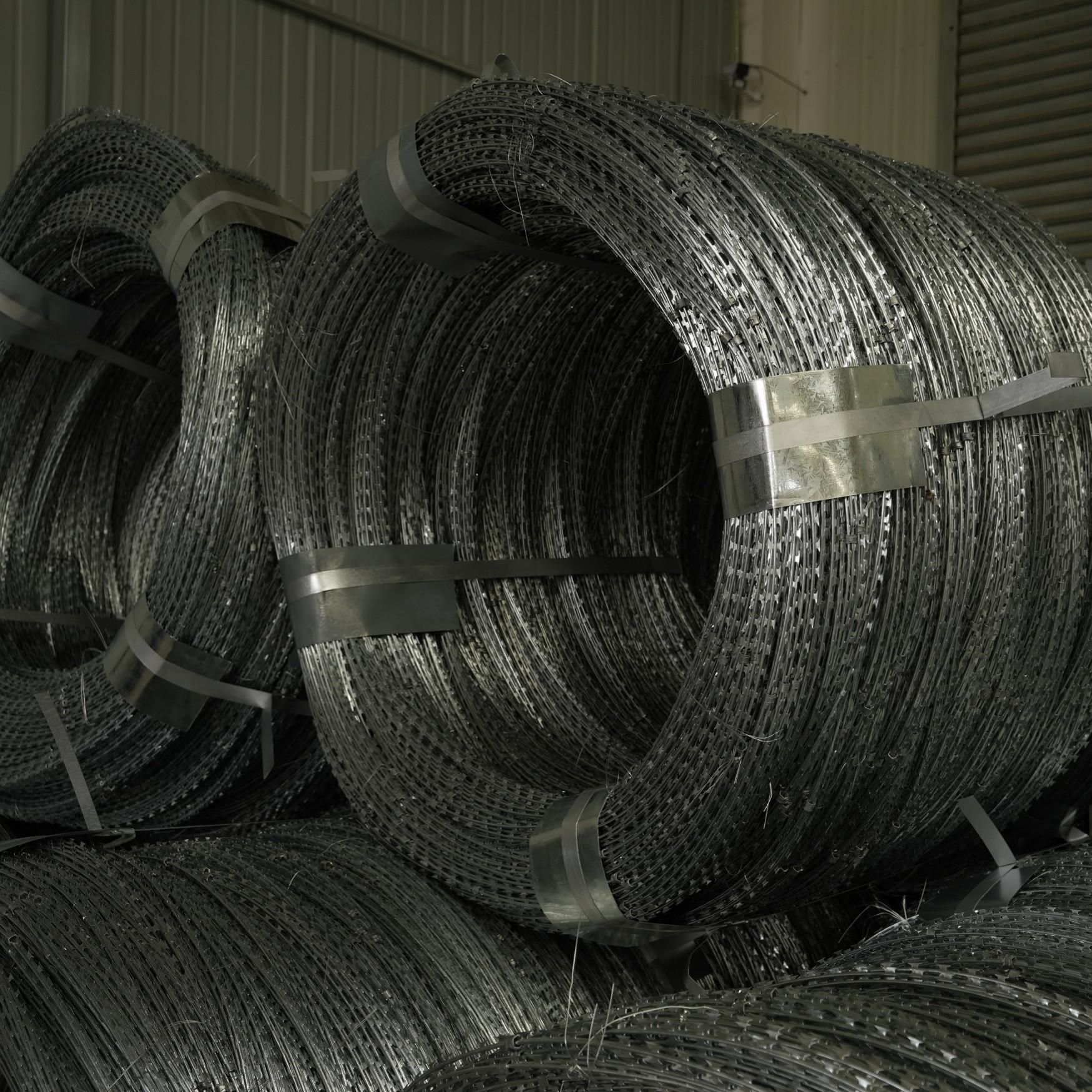
Additional elements like barbed wire fence or concertina wire fence can significantly improve deterrence when used correctly. However, improper installation can reduce their effectiveness.
Choosing the right fence requires a structured evaluation process.
Application type: Identify whether the goal is security, privacy, or visual enhancement.
Risk exposure: High-risk zones require high security fence with reinforced features.
Terrain conditions: Uneven or large areas may require flexible systems like chain link fence.
Lifecycle cost: Consider not only installation cost but also long-term maintenance.
Compliance: Certain projects such as airport fence or railway security fence must meet strict standards.
Over time, exposure to environmental conditions can weaken materials, especially in unprotected wire mesh fence systems.
Loose or weak connections between panels and posts can compromise the entire perimeter fence.
Using residential-grade fencing in industrial environments often leads to early failure and increased replacement cost.
Maintaining a fence system is essential for long-term performance:
- Inspect structural components regularly
- Replace damaged sections immediately
- Monitor coating conditions on metal surfaces
- Ensure posts remain firmly anchored
Case 1: Railway Corridor Protection
A railway security fence project used rigid welded panels with anti-climb design. This reduced unauthorized track access and improved overall safety.
Case 2: Border Control Installation
A border fence system combined mesh panels with concertina wire fence, creating a layered defense that increased intrusion delay time.
Case 3: Urban Residential Upgrade
A housing project replaced old wooden fencing with aluminum fence and privacy fence panels, improving durability and visual consistency.
A fence is not just a boundary—it is a system that must be engineered to perform under real conditions. The right fencing solution depends on environment, risk level, and long-term expectations.
Investing in a well-designed security fencing system ensures better protection, lower maintenance, and higher overall value for any project.
Strong materials, proper design, and correct installation all contribute to a reliable fence system.
It can be effective when combined with anti-climb design and additional deterrents.
Decorative fences focus on appearance, while security fences prioritize protection and resistance.
At least once or twice a year, depending on environmental conditions.
Yes, additional features like barbed wire or reinforced panels can be added to improve performance.
Here you can find useful fencing technical articles
A damaged building may initial
Read More After the August 2026 Bhotekos
Read More Navigating Security Compliance
Read More