- +86 19030734110
- sales@fieldfence.com.cn
- Monday - Sunday 9.00 - 18.00

Many fence projects do not fail because of poor products, but because of poor planning. Choosing the wrong fence type, ignoring terrain conditions, or underestimating environmental impact can lead to costly rework. Whether you are installing a security fence, garden fence, or industrial fence, success starts with a clear project-oriented approach—not just picking a product.
Every fencing project begins with a purpose. A perimeter fence for a warehouse differs completely from a decorative fence for a villa. Identify whether your goal is security, privacy, livestock control, or visual enhancement. For example, a high security fence or anti climb fence is suitable for sensitive areas, while a backyard fence or landscape fence focuses more on aesthetics.
Terrain, soil type, and climate directly impact fence performance. Rocky land may require reinforced steel fence posts, while coastal areas demand corrosion-resistant metal fence materials such as aluminum fence or PVC fence. For uneven land, flexible solutions like chain link fencing or wire mesh fence are often more practical.
Modern security fencing systems rarely rely on a single barrier. Instead, they combine multiple elements such as:
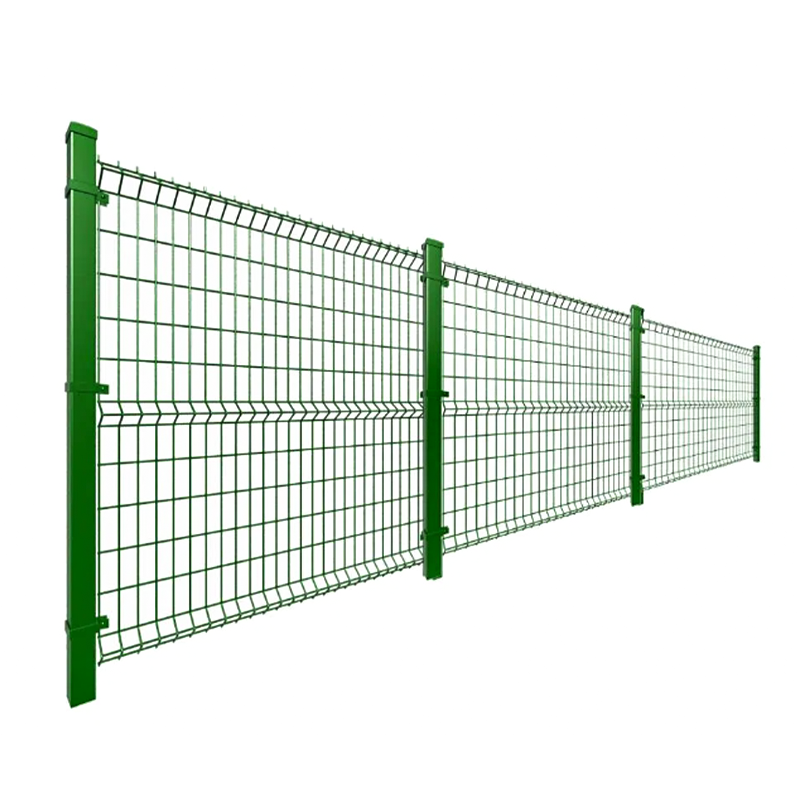
- Outer perimeter security fence (chain link fence or welded wire fence)
- Reinforced inner barrier (steel wire mesh fence or expanded metal fence)
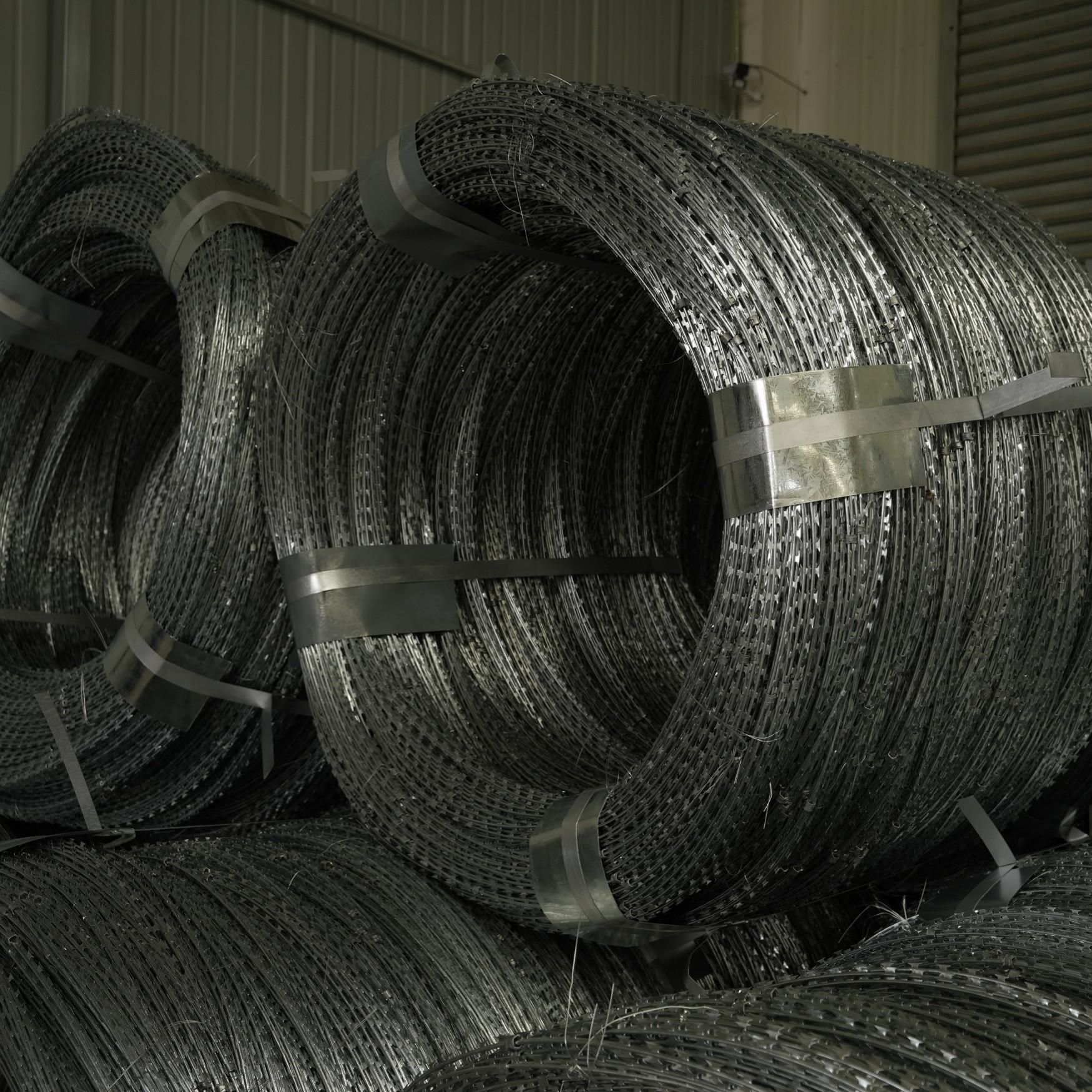
- Top deterrents (razor wire fence, barbed wire fence, concertina wire fence)
Projects like villas and parks require a balance between appearance and performance. Ornamental fence, wrought iron fence, and decorative fence options provide elegance while still offering basic protection. Meanwhile, industrial fence systems prioritize durability over aesthetics.
Railway security fence and airport fence systems demand high durability and anti-intrusion performance. Welded mesh fence and anti intrusion fence designs are commonly used due to their rigidity and resistance to cutting.
For farms, fencing must be cost-effective and adaptable. Chain link fence, wire fence, and welded wire fence are widely used for livestock control. A safety fence design ensures animals remain within boundaries while preventing external threats.
Military fence, prison fence system, and border fence installations require maximum protection. These projects often include anti climb fence structures combined with razor wire or concertina wire for enhanced deterrence.
Steel fence and metal fence systems dominate large-scale projects due to their strength and long lifespan. Galvanized and coated steel wire mesh fence options resist corrosion and mechanical damage.
Aluminum fence and PVC fence solutions are ideal for residential or decorative applications. They offer low maintenance and aesthetic flexibility but are less suitable for high-security environments.
Using prefabricated fence panels reduces labor time and ensures consistent quality. This is especially important for large perimeter fence or industrial fence installations.
Proper spacing improves structural stability. For example, chain link fencing typically uses wider spacing, while high security fence systems require tighter intervals to increase strength.
Ignoring wind load or soil conditions can lead to fence collapse or deformation. Expanded metal fence and welded mesh fence structures must be designed to handle local weather conditions.
Using a decorative fence in a high-risk area compromises security. Likewise, installing a heavy steel fence in a residential garden may be unnecessary and costly.
Even durable systems like steel wire mesh fence require periodic inspection. Without maintenance, corrosion or damage can reduce lifespan.
Regular inspection ensures your fencing system remains effective. Key maintenance steps include:
- Checking for rust or coating damage on metal fence surfaces
- Tightening loose connections in chain link fence systems
- Replacing damaged sections of welded wire fence
- Monitoring tension in barbed wire fence and razor wire fence installations
A manufacturing plant installed a perimeter security fence using welded mesh fence panels combined with razor wire. The system improved intrusion resistance while maintaining visibility for surveillance.
A large farm adopted chain link fencing and wire fence solutions to manage livestock efficiently. The flexible structure adapted well to uneven terrain and reduced installation costs.
A residential project used ornamental fence and aluminum fence systems to create a stylish yet secure boundary. The design enhanced property value while ensuring safety.
Balancing cost and performance is critical. While high security fence systems offer maximum protection, they may not be necessary for all applications. Selecting the right combination of materials and design ensures efficient investment.
Fence systems are evolving beyond physical barriers. Modern solutions integrate smart monitoring, improved coatings, and modular designs. Security fencing systems are becoming more adaptable, durable, and efficient across various industries.
A successful fence project is not about choosing a single product—it is about designing a complete solution. By considering application, environment, materials, and installation strategy, you can build a fencing system that delivers long-term performance and reliability.
High security fence systems such as welded mesh fence combined with razor wire provide strong protection against intrusion.
Chain link fence is widely considered the most economical option for large areas.
Aluminum fence, PVC fence, and decorative fence options are ideal for residential properties.
With proper coating and maintenance, a steel fence can last 15–30 years depending on environmental conditions.
Yes, most fencing systems can be tailored in height, material, and design to meet specific project requirements.
Here you can find useful fencing technical articles
A damaged building may initial
Read More After the August 2026 Bhotekos
Read More Navigating Security Compliance
Read More