Hesco Barrier vs Sandbags: Why Modern Projects Choose Modular Protection Systems
time:2026-8-3 13:29:07
When facing emergency protection needs, many project managers compare Hesco Barrier vs Sandbags to determine which solution provides better performance. While sandbags have been used for decades, modern projects increasingly require systems that can be installed faster, provide more stable protection, and reduce manpower requirements.
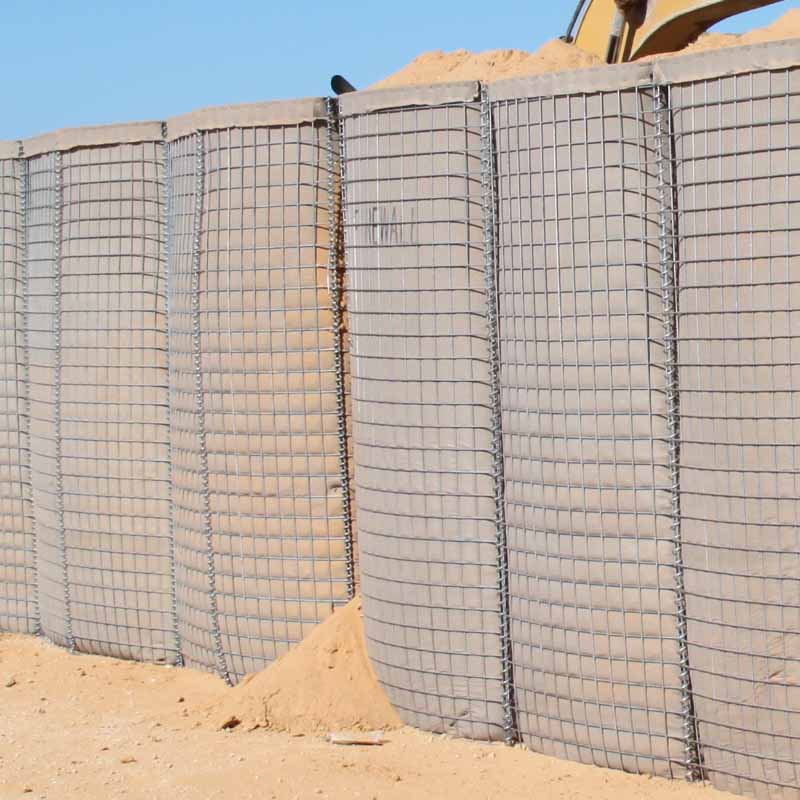
Hesco barriers were developed to solve many limitations of traditional sandbag defenses.
The Main Difference Between Hesco Barriers and Sandbags
1.The biggest difference is structural support.
Sandbags solely depend on piled sacks for pressure resistance, affected by placement, manpower and regular upkeep.
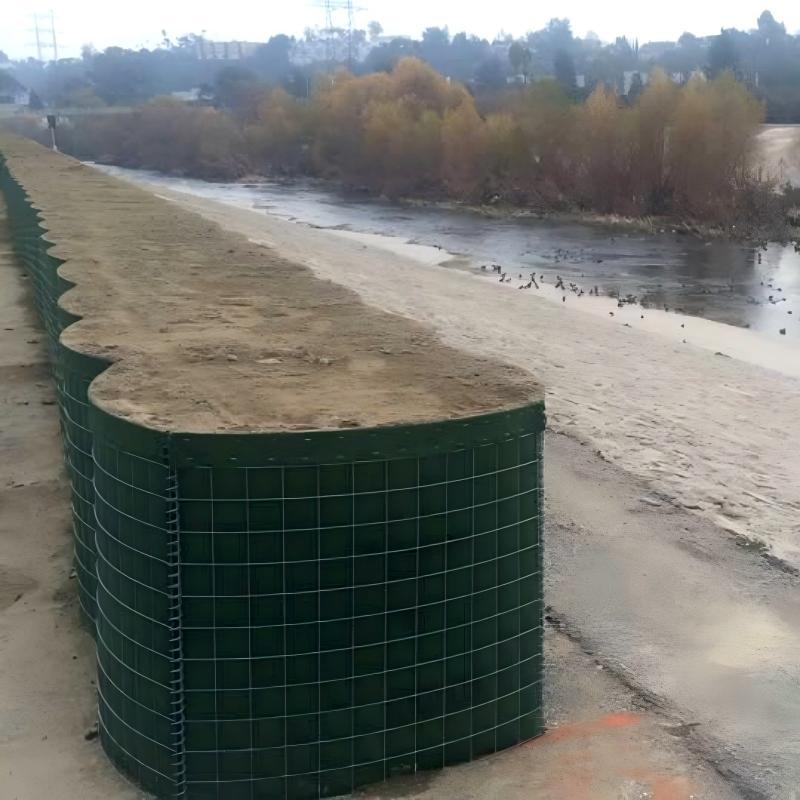
Hesco barriers feature welded steel frames to lock fillings firmly, forming sturdy walls that bear greater pressure and keep shape long-term, ideal for large-scale protection projects.
2.Installation Efficiency: Speed Matters
Sandbags need massive labor, manual filling and meticulous stacking, hard to cover extensive zones.
Modular Hesco barriers can be filled by machinery after placement, greatly cutting labor costs.
3.Performance in Real Applications
The choice between Hesco barriers and sandbags often depends on project scale.
For small, short-term situations, sandbags may still be practical. However, for larger projects requiring reliable performance, Hesco barriers provide clear advantages.
Which Solution Is Better?
The answer depends on the project requirements.
Choose sandbags when:
The protection area is small
The emergency period is very short
Labor resources are easily available
Choose Hesco barriers when:
Large areas require protection
Fast deployment is important
Long-term stability is needed
Professional security performance is required
Final Consideration
The comparison of Hesco Barrier vs Sandbags shows a clear trend: modern protection projects increasingly require solutions that combine speed, strength, and flexibility.